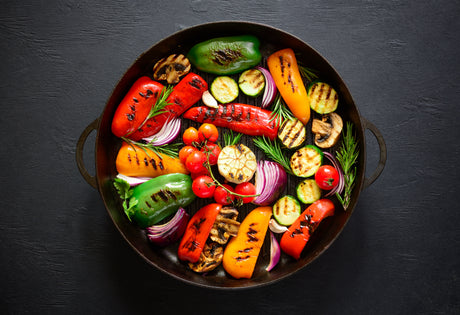
Ceramic-Coated Pans
Lightweight and fast-heating, our ceramic-coated aluminium pans offer quick, even cooking for everything from delicate sauces to crispy sautés. Featuring an innovative non toxic and non-stick surface and ergonomic handles, they make cooking and cleaning effortless. Perfect for busy kitchens, these pans combine practicality with sleek design - giving you reliable performance without weighing you down.


 Black Friday27% off
PROCHEF
J&L 'Signature' 8-Piece Ceramic-Coated Pan Set, Sage Green
In stockSale price £184.99 Regular price £254.92Unit price /Unavailable
 Black Friday27% off
PROCHEF
J&L 'Signature' 5-Piece Ceramic-Coated Pan Set, Sage Green
In stockSale price £97.99 Regular price £134.95Unit price /Unavailable
 Black Friday34% off
PROCHEF
8-Piece Green Ceramic-Coated Pan Set
In stockSale price £129.99 Regular price £197.92Unit price /Unavailable
 Black Friday35% off
PROCHEF
5pcs Green Ceramic-Coated Saucepan & Frying Pan Set
In stockSale price £69.99 Regular price £107.95Unit price /Unavailable
 Black Friday27% off
PROCHEF
J&L 'Signature' Ceramic-Coated Frying Pan Set, Sage Green
In stockSale price £32.99 Regular price £44.98Unit price /Unavailable Black Friday27% off
PROCHEF
J&L 'Signature' 3-Piece Ceramic-Coated Saucepan Set, Sage Green
In stockSale price £65.99 Regular price £89.97Unit price /Unavailable Black Friday25% off
PROCHEF
J&L 'Signature' 24cm Ceramic-Coated Casserole Pan, Sage Green
In stockSale price £29.99 Regular price £39.99Unit price /Unavailable
 Black Friday25% off
PROCHEF
J&L 'Signature' 28cm Ceramic-Coated Frying Pan, Sage Green
In stockSale price £18.74 Regular price £24.99Unit price /Unavailable
 Black Friday25% off
PROCHEF
J&L 'Signature' 24cm Ceramic-Coated Frying Pan, Sage Green
In stockSale price £14.99 Regular price £19.99Unit price /Unavailable
 Black Friday25% off
PROCHEF
J&L 'Signature' 18cm Ceramic-Coated Saucepan, Sage Green
In stockSale price £22.49 Regular price £29.99Unit price /Unavailable
 Black Friday39% off
PROCHEF
3pcs Green Ceramic-Coated Saucepan Set
In stockSale price £44.99 Regular price £73.97Unit price /Unavailable
 Black Friday18% off
PROCHEF
28cm Green Ceramic-Coated Frying Pan
In stockSale price £15.49 Regular price £18.99Unit price /Unavailable
 Black Friday20% off
PROCHEF
24cm Green Ceramic-Coated Frying Pan
In stockSale price £11.99 Regular price £14.99Unit price /Unavailable Black Friday25% off
PROCHEF
J&L 'Signature' 16cm Ceramic-Coated Saucepan, Sage Green
In stockSale price £18.74 Regular price £24.99Unit price /Unavailable
 Black Friday25% off
PROCHEF
J&L 'Signature' 26cm Ceramic-Coated Sauté Pan with Lid, Sage Green
In stockSale price £29.99 Regular price £39.99Unit price /Unavailable
 Black Friday26% off
PROCHEF
2-Piece Green Ceramic-Coated Frying Pan Set
In stockSale price £24.99 Regular price £33.98Unit price /UnavailableExplore Ceramic-Coated Pans
Find out how to choose the right cookware, get the best cooking results and care for your pans.
Why Choose ProChef?
-

Exceptional Craftsmanship
ProChef cookware is expertly made for lasting performance, with every piece backed by an up to lifetime* guarantee so you can cook with confidence.
-

Made for Real Kitchens
Blending timeless British style with smart, practical features, our cookware looks beautiful and makes every meal a pleasure to prepare.
-
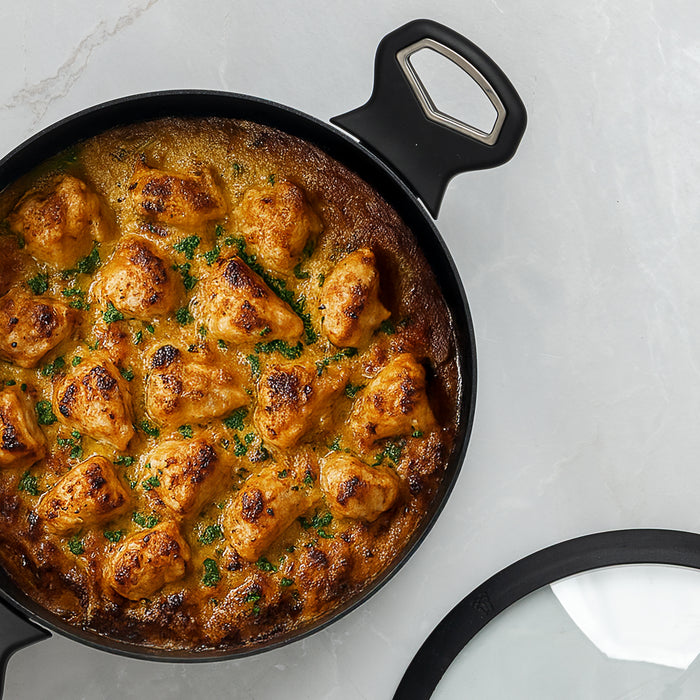
Value & Service You Can Trust
Enjoy top-quality cookware at exceptional value, free UK delivery over £40, and friendly support from our dedicated UK-based team.

Enjoy 10% Off Today
Sign up and get 10% off your next £50+ order plus access to special offers and recipes 🍳
You'll receive an email with your discount code.
*Excludes sale/discounted products.